Authors: Randy and Simon, Timeless Treads History Club of Beijing 21st Century School
I.
The European feudal system refers to a system where a lord (suzerain) granted a vassal a piece of land (fief) to manage. The lord relied on the military and economic support provided by the vassal, while the vassal pledged absolute loyalty and support to the lord. This land management system prevailed throughout the Middle Ages and was the most common form of governance in Western European nations at the time.
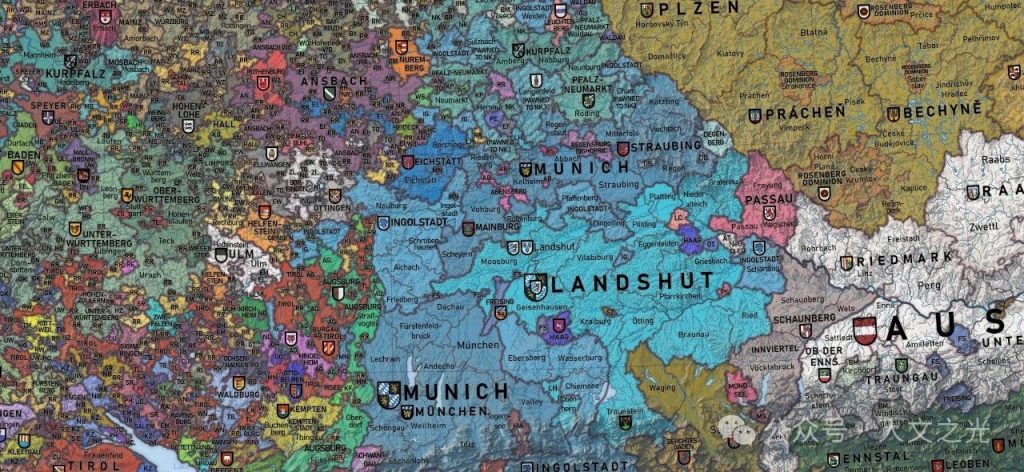
The European feudal system evolved over a long period. In the early Roman Empire, although large landowners and powerful clans existed, they had no strong binding ties to the Roman Emperor and rarely provided reliable support beyond economic contributions. The Roman Empire’s professional soldiers were largely conscripted, and even many legions lacked strong bonds with the emperor. New emperors often had to exhaust their personal wealth to buy the legions’ support upon accession. The Praetorian Guard even frequently overthrew emperors – a situation completely different from the later Western European feudal system. In the middle and late Roman Empire, increasing frontier pressures, natural disasters, and inherent flaws in the Roman tax system led to widespread famine among peasants. Consequently, large-scale land annexation occurred, reminiscent of the era of the Gracchi brothers. Peasants began surrendering their land to landowners or senators, transitioning from freemen to tenant farmers. While they gained food security in return, and because many landowners held tax-exempt privileges, a larger share of the grain output remained with the peasants and landowners, freeing them from fears of heavy taxation. This forged strong ties between landowners and peasants, gradually developing into early lordship. This bond solidified further under Diocletian’s policies. Outside Rome, the Celts and Germanic peoples had customs considered precursors to feudalism. Celts swore oaths of loyalty to their chieftains and served as soldiers in wartime, providing a stable source of troops. Germanic peoples had the custom of young warriors swearing allegiance to their leaders. These are seen as early manifestations of the military value inherent in the later Western European feudal system.
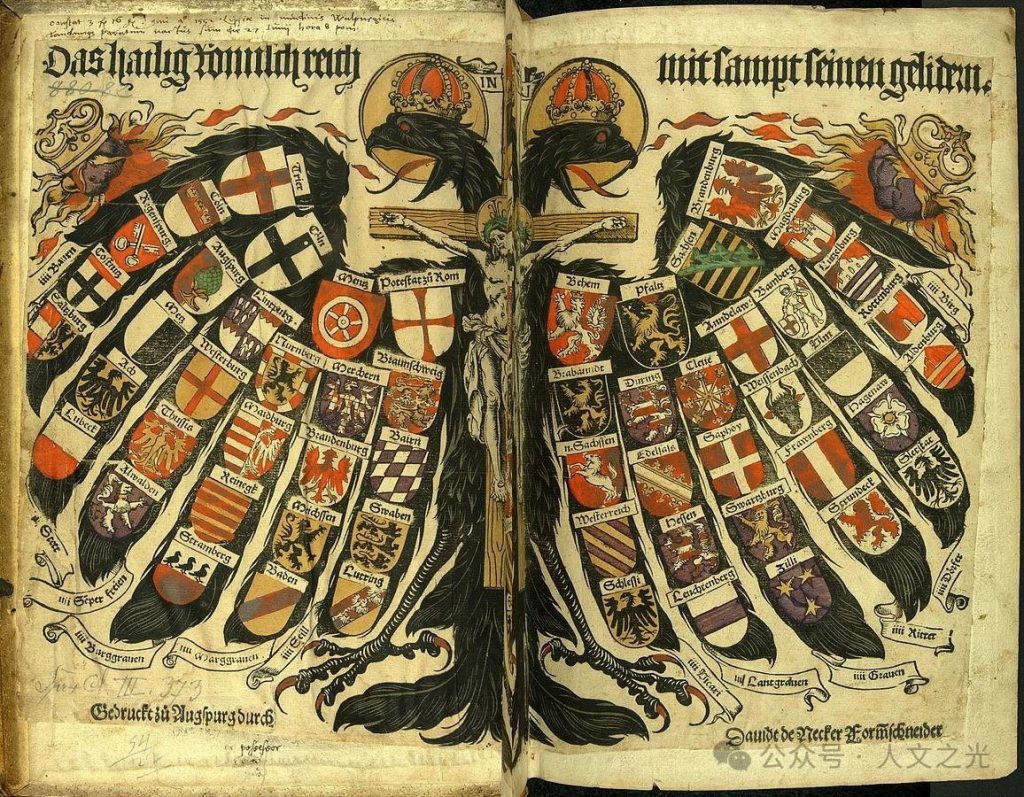
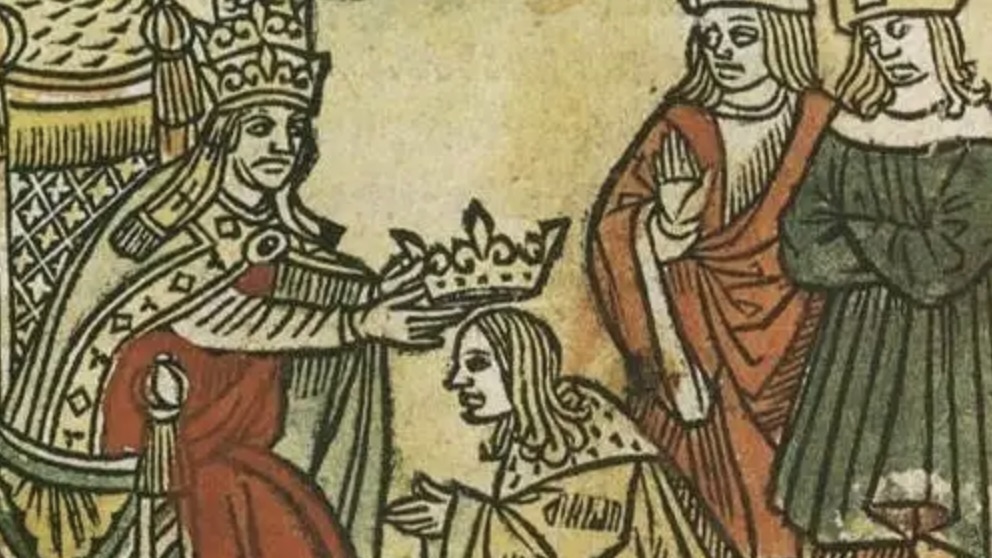
During the Merovingian dynasty, kings granted land to close associates or meritorious individuals, appointing them as local counts (comites) to administer on their behalf. Many clergy also received land for providing religious services. Over time, the position of these counts gradually transformed into hereditary vassals, and the granted lands became private fiefs (benefices). These lands were generally not governed directly by the central authority but were ruled locally by the vassal as lord. Therefore, the vassal’s legal right to hold a fief derived solely from the lord (suzerain). This established a strong bond between the three elements: vassal, lord, and fief. The people on the fief also became heavily dependent on their lord and maintained loyalty to him. During the Carolingian period, these fiefs proliferated. The land directly controlled by the king dwindled, while the number of local vassals increased. Simultaneously, the military function of the feudal system became prominent. With external expansion and Arab invasions, vassals began providing increasing military support to their lords, most famously exemplified by the cavalry forces organized by Charles Martel. Over time, this land management system spread throughout Europe.

The core of the European feudal system lay in the lord providing the legal legitimacy (fief) for a vassal to hold a territory. The vassal held complete administrative authority over that territory and was obligated to provide essential administrative, economic, and military support to the lord. The people on the fief were also subjects of the vassal, i.e., the local lord. These three elements – lord, vassal, and subjects – were inseparable and together formed this system that spanned Western European history. The relationships between lord and vassal, vassal and subjects, and the vassal’s subjects and the lord were particularly intriguing. Unlike the Eastern concept of “all land under heaven belongs to the sovereign,” the subjects of a vassal did not owe service directly to the lord’s lord (the suzerain). What made this system remarkably resilient were the prevailing production conditions, the spirit of contractual obligation (oath), and the strategies employed by lords. The relationships between vassal and lord, knight and lord, were all maintained by this spirit of contract (oath). Lords often employed tactics like adopting sons or becoming guardians of young vassals/heirs to secure trusted followers, ensuring loyalty while better controlling their domains. It was precisely due to this spirit and these methods that the European feudal system was exceptionally robust, and social classes in Europe experienced little significant change or mobility for centuries. A knight’s descendants remained knights; a lord’s son became a lord. Consequently, traditional Western European states saw very few instances of successful coups by subordinates overthrowing superiors for a long period, standing in stark contrast to the Byzantine Empire in the East.
II.
The rigidity of the European class structure also changed over time. Due to the hereditary nature of vassal status and the proliferation of fiefs, many kingdoms gradually developed a situation of apparent strength but internal weakness. Vassals and lords beneath the king grew increasingly powerful, while the king struggled to control them. Although nominal loyalty was often maintained, the reality was a continuous erosion of the suzerain’s (king’s) authority and tangible power. Limited controlled territory, powerful and numerous vassals, border threats, and diminished royal power – all these became major headaches for kings. This represents a significant drawback of the European feudal system.
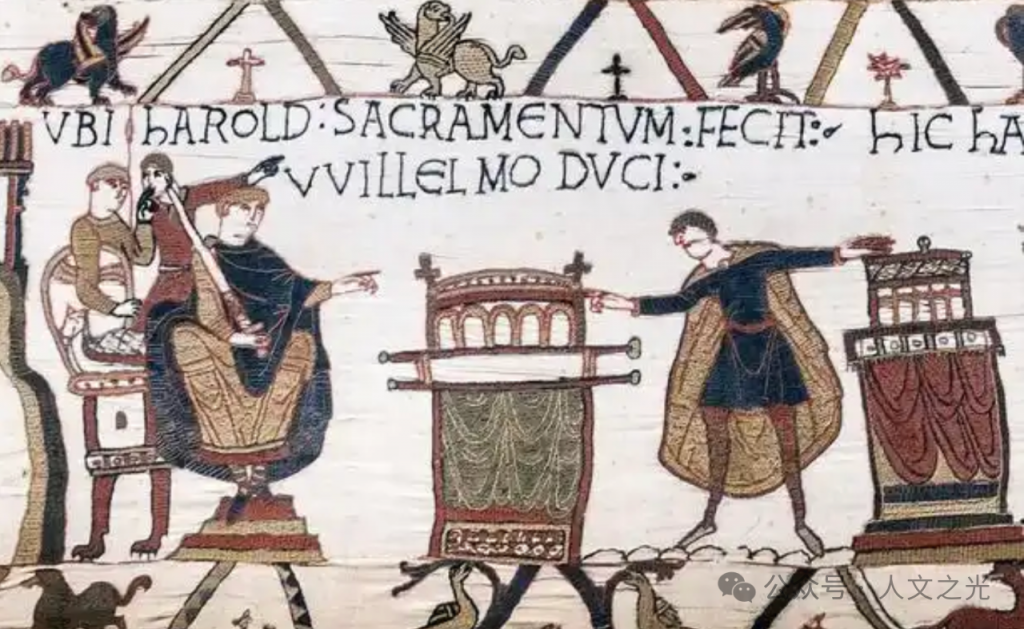
Many states with systems similar to Western Europe encountered this problem. For instance, in medieval Japan during the same period, the imperial court and nobility (kuge) gradually lost their ability to restrain the provincial military governors (shugo), who in turn struggled to control their own warrior bands (kokujin) and retainers. Fortunately, Japan’s shogunate system (excepting the Ashikaga/Muromachi shogunate) re-established effective national management, though these local powers weren’t nominally dissolved until the “Return of the Registers and Lands” (hanseki hōkan) in the Meiji period. A classic example of a powerful vassal in Western Europe is the Duchy of Normandy. Founded by Vikings, this duchy possessed considerable military prowess and abundant natural resources. In 1066, William the Conqueror (Duke of Normandy) even conquered England across the Channel – a clear testament to the potential for vassals to amass independent military power. Within this system where landholding and military service were intrinsically linked, military conflicts and campaigns were constant. Therefore, the Western European feudal system was inherently expansionist. This was also a major driver behind the Crusades – lords within the feudal structure needed such ventures to seize territory, acquire wealth, and release the pressure of built-up “violence” within their own lands.
Many perceive the European feudal system as decadent and stagnant, viewing Rome and Greece as progressive. However, the reality is that the European feudal system was highly dynamic. While it was violent and expansionist, it was precisely this nature that spurred rapid development in multiple areas. Advances in military technology were the most significant. Simultaneously, commerce and handicrafts also saw considerable progress. As warfare became more frequent, lords needed artisans to forge weapons and equipment. Beyond this, many lords acquired weapons and armor through merchant channels. In many Western European manors, forges and guilds – representatives of handicraft production – were extremely common. Therefore, rather than stagnation, the European feudal system actually fostered certain advancements and gradually developed over time.
(This article was edited by the UHHC Operations Office. Images sourced from the internet; if copyright is infringed, we will remove them immediately.)