Author: Simon Zhang, The Timeless Threads History Club from Beijing 21st Century School
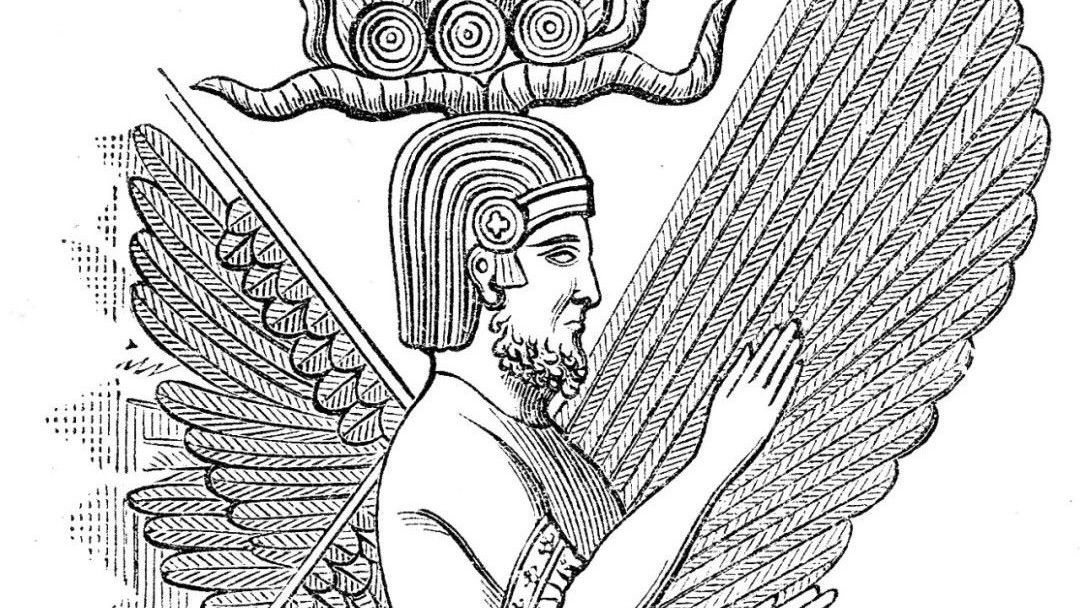
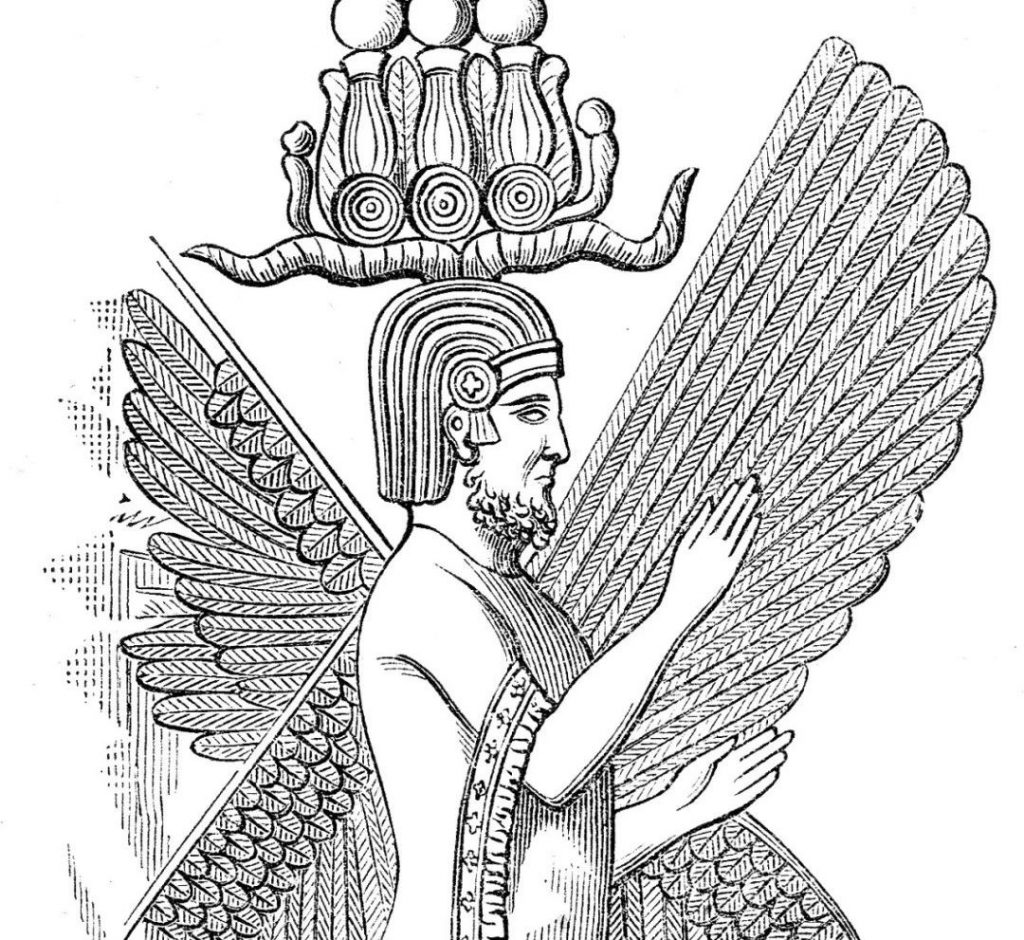
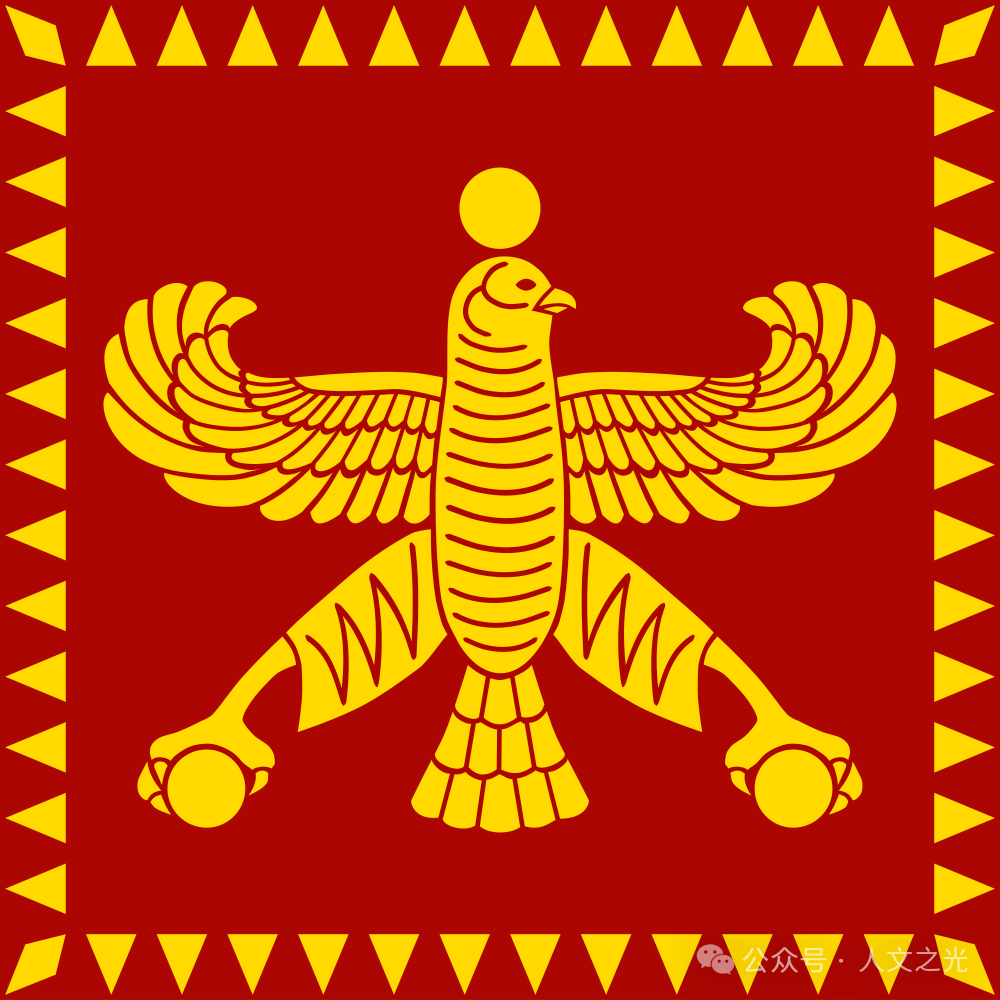
Cyrus II of Persia (Ancient Persian Cuneiform: 𐎤𐎢𐎽𐎢𐏁, Kūruš), commonly known as Cyrus the Great, stands as an extraordinary figure in ancient history. As the founder of the Achaemenid Empire (550–330 BCE, also called the First Persian Empire), his reign marked a pivotal era that reshaped the political, cultural, and religious landscape of the Near East. His legacy signifies the birth of the Persian Empire and the foundation of modern-day Iran.
Before Cyrus’ birth, prophecies foretold that one day a ruler would dominate Asia. Astyages, King of Media (in western Persia) and Cyrus’ grandfather, had two dreams: first, that his grandson would threaten his throne; second, that this grandson would conquer all Asia. The king immediately ordered the unborn child killed. Upon birth, Cyrus’ mother was forced to abandon him in the wilderness, but divine providence intervened—a she-wolf rescued and nursed him. He was later raised by a shepherd’s family, where he gradually learned of his royal lineage. Ultimately, Cyrus returned to reclaim his birthright and overthrew his grandfather’s rule.
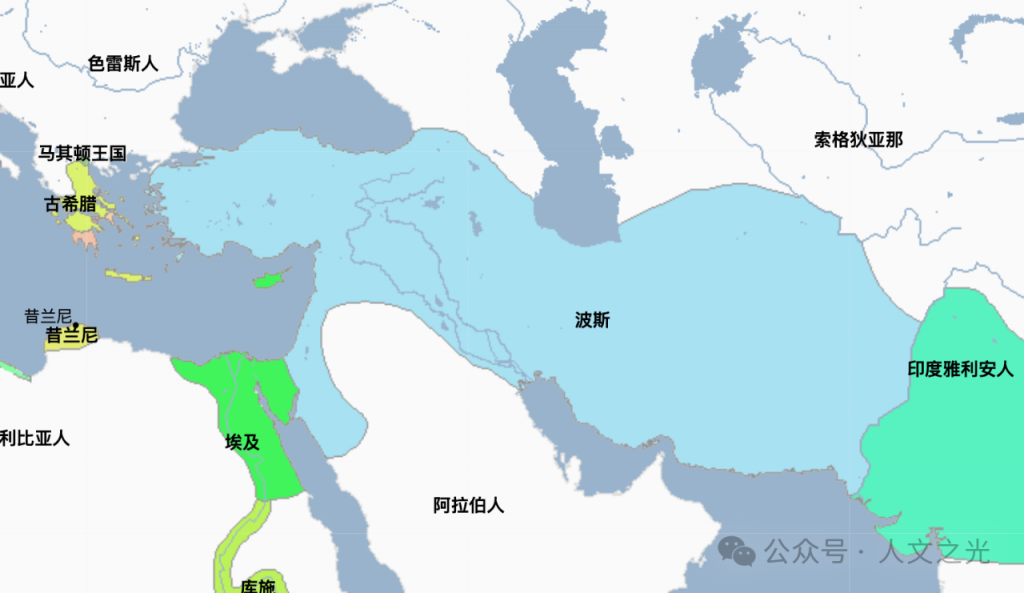
His rise began with the unification of fragmented Persian tribes under his leadership. Through strategic alliances and military victories, he expanded his territory, conquering Media, Lydia, and finally the mighty Neo-Babylonian Empire in 539 BCE.
Unlike many conquerors of his time, Cyrus was renowned for his relatively humane treatment of conquered peoples. He traded religious tolerance for political control, weaving “diverse peoples into a unified empire.” He allowed subjugated rulers limited autonomy, respected local customs and religions, and even liberated enslaved populations. Notably, he issued an edict proclaiming:
“The Lord, God of Heaven, has given me all the kingdoms of the earth and has charged me to build Him a house in Jerusalem, in Judah. Whoever is among you of all His people, may his God be with him, and let him go up to Jerusalem… and rebuild the house of the Lord, God of Israel.”
This policy of “tolerance” consolidated his vast empire and fostered lasting peace.
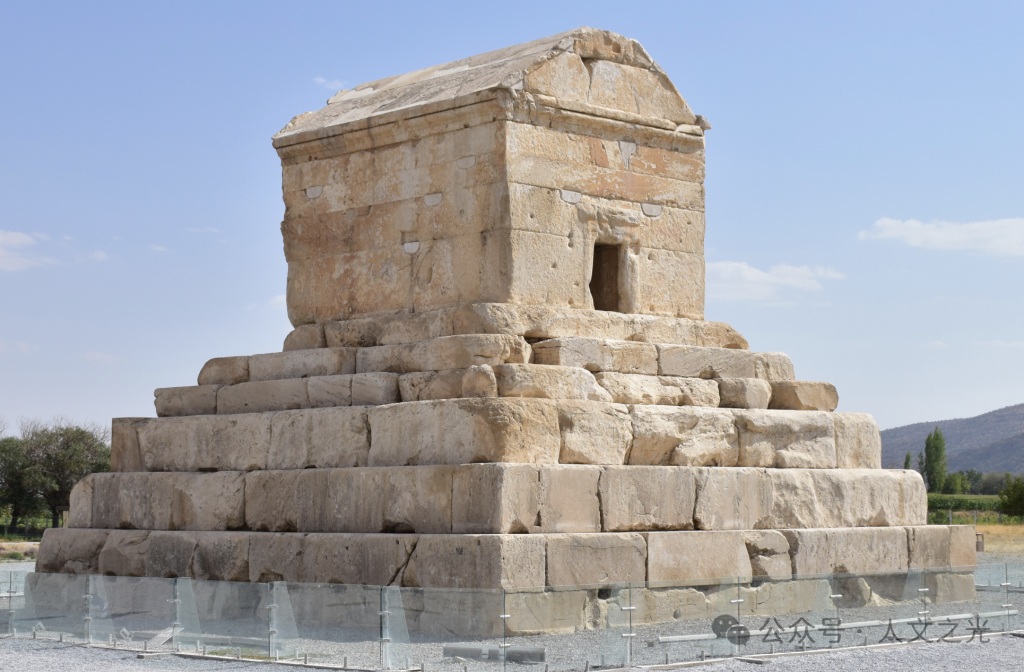
Tragically, this great emperor met a bitter end. In his prime, Cyrus was killed during a campaign in Central Asia. His successors recovered his body and entombed it in a gold sarcophagus at Pasargadae (in present-day southern Iran). Thus fell the founder and ruler of a mighty empire.
(This article was edited by Peter Tian of the UHHC Operations Office. Images are sourced from the internet and will be removed immediately upon request if copyright is infringed.)