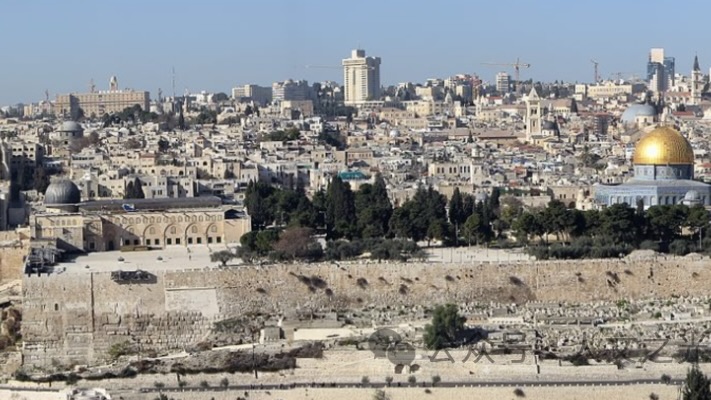
Author: Simon Zhang, The Timeless Threads History Club from Beijing 21st Century School
Jerusalem is a great city located in the eastern Mediterranean. It is a holy city shared by three major religions, the first of which to emerge was Judaism.
It was established as early as 5000 BCE, but at that time, it was little more than a small city-state. The first king of Jerusalem was a descendant of Noah: a Canaanite. Then, around the 13th century BCE, a people called the Jebusites conquered Jerusalem. After historical shifts, a monotheistic people, the Hebrews (later known as the Israelites), occupied Jerusalem.
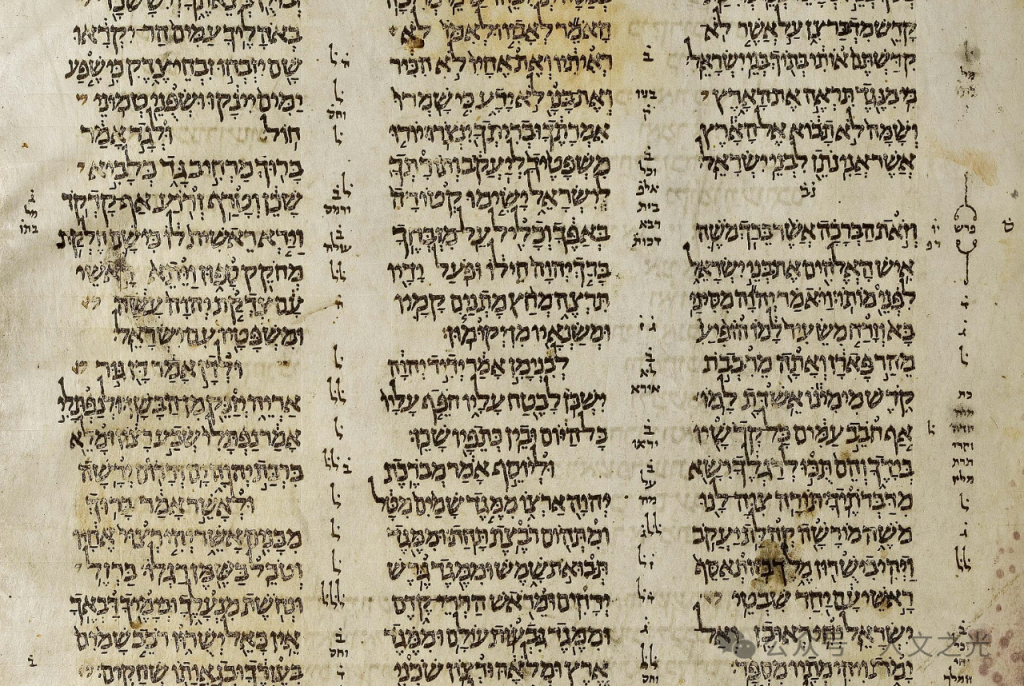
Speaking of the Hebrews, we must mention their relationship with the Bible. They recorded their experiences with God, resulting in the Five Books of Moses (the Torah). The Torah is the first part of the Hebrew Bible, known as the Tanakh. The Bible is not a single document, but a collection of sacred writings compiled over generations. It contains both verifiable and unverifiable historical accounts, as well as beautiful poetry and more.
The Bible holds different meanings for different people. For example, many atheists in China know little about it. For believers, it is the word of God. For historians, it is a contradictory, unreliable, repetitive, yet incredibly valuable source of material – often the only material available. In fact, it is also Jerusalem’s first significant biography.
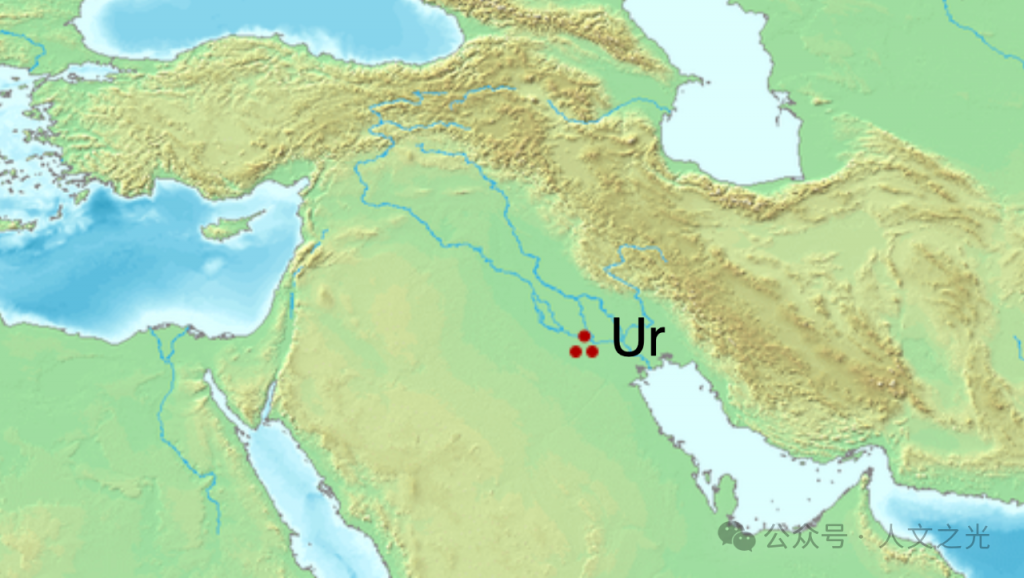
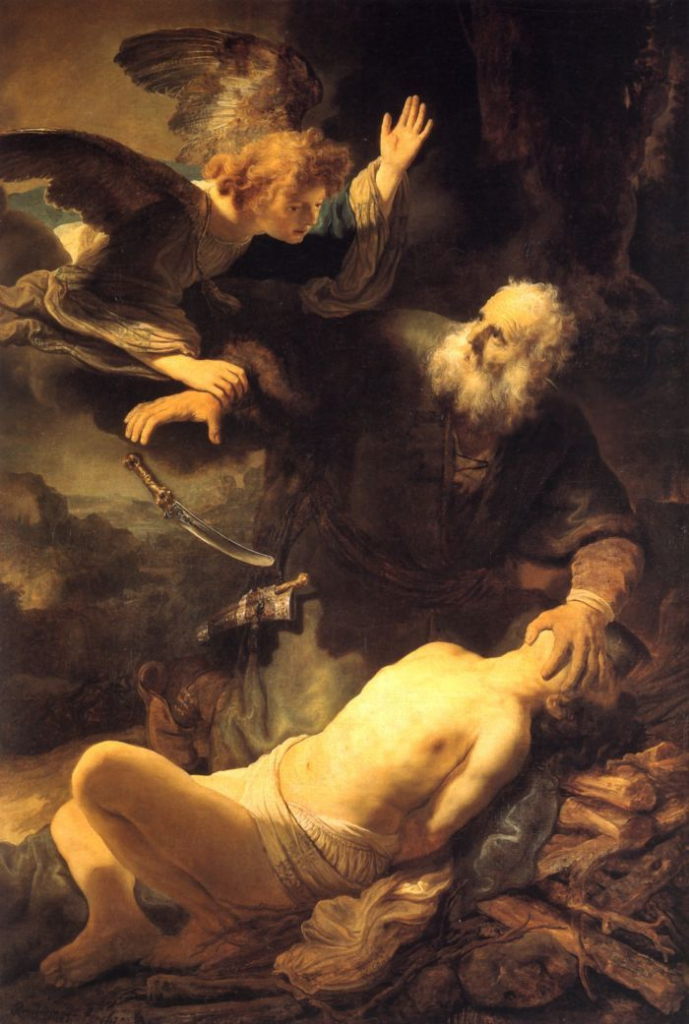
The ancestors of the Hebrews were Abram’s people, described as coming from Ur (in modern-day Iraq) and settling in Hebron. Hebron was located in Canaan, the land God promised to Abram (according to the Hebrew Bible). God also changed Abram’s name to Abraham, meaning “father of many nations.” During his travels, Abraham was welcomed by Melchizedek, the priest-king of Salem, who greeted him in the name of the Most High God, El Elyon. This is the Bible‘s first mention of the city of Jerusalem (Salem), indicating it was already a Canaanite holy site ruled by a priest-king. Later, God commanded Abraham to sacrifice his son Isaac on a mountain in “the land of Moriah” – Mount Moriah, the site of the Temple Mount in Jerusalem – as a test of loyalty. Abraham passed the test, leaving behind a story well-known in the West and inspiring countless famous painters. For example, the 17th-century Dutch painter Rembrandt van Rijn created an oil painting titled The Sacrifice of Abraham.
Abraham’s rogue grandson Jacob deceitfully obtained the birthright. Later, Jacob redeemed himself by wrestling with a stranger, who turned out to be God. Jacob’s new name, “Israel” – meaning “he who wrestles with God” – originated from this event. Abraham and his descendant Jacob are commonly known as the Patriarchs of the Jews. They are the earliest founders of Judaism and the first to bring one of the three major religions, Judaism, to Jerusalem.
The Jewish people originated here. Their relationship with God was passionate and tumultuous, and this marked the Jews’ first entry onto the land of Jerusalem. The story of Jerusalem officially begins here.
(This article has been edited and abridged by the UHHC Operations Office. It contains no particular stance; its sole purpose is the popularization of historical knowledge. Images are sourced from the internet and will be removed immediately upon request if copyright is infringed.)