Author: Simon Zhang, The Timeless Threads History Club from Beijing 21st Century School
Rome, a name both familiar and distant to the Chinese people. When most Chinese first encounter world history, they constantly hear or see the name Rome, yet few can truly explain where Rome came from or why it became so great. In Western history, Rome holds immense significance. The rise and fall of the Roman Republic occupies a pivotal position in Western world history and civilization, with influences that persist to this day.

According to legend, the origins of Rome can be traced back to the fall of Troy (though for a very long time initially, Rome was merely a small village, or tribe). Ascanius (Iulus), son of Aeneas (son of the goddess Venus), was the ancestor of the Julian clan, the family of Julius Caesar and Augustus. Ascanius’s descendants ruled Alba Longa for many generations. Then, a prince named Amulius, harboring discontent, deposed his elder brother Numitor, usurped the throne, and killed all the old king’s sons. Rhea Silvia, still a virgin, was forced to become a Vestal Virgin (priestess of the goddess Vesta).
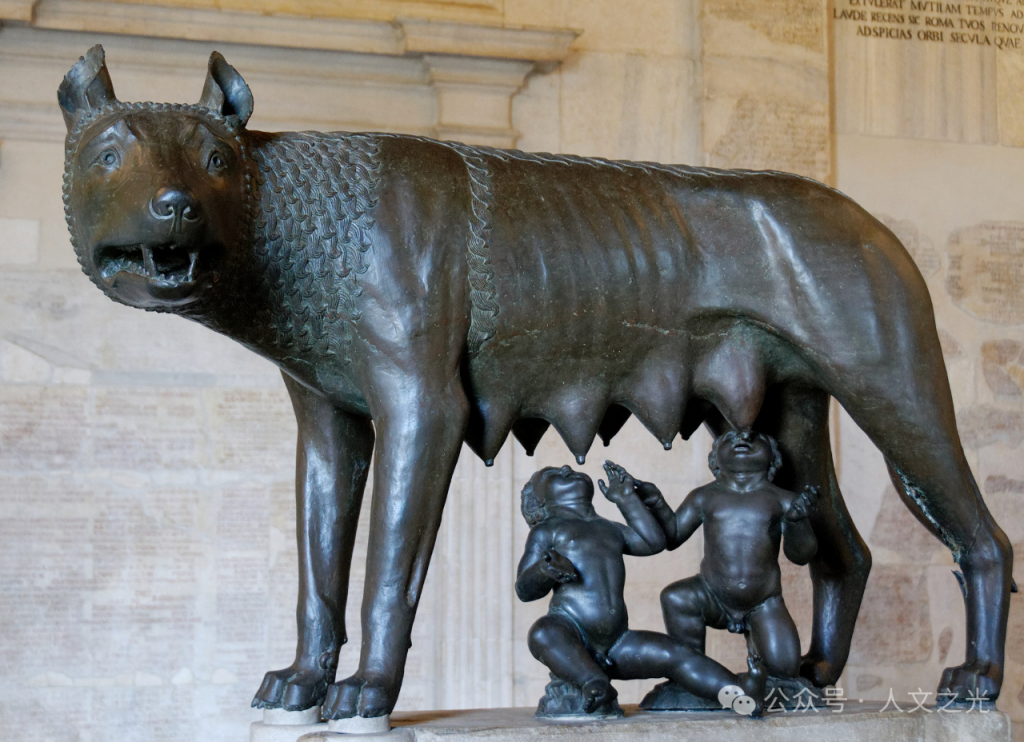
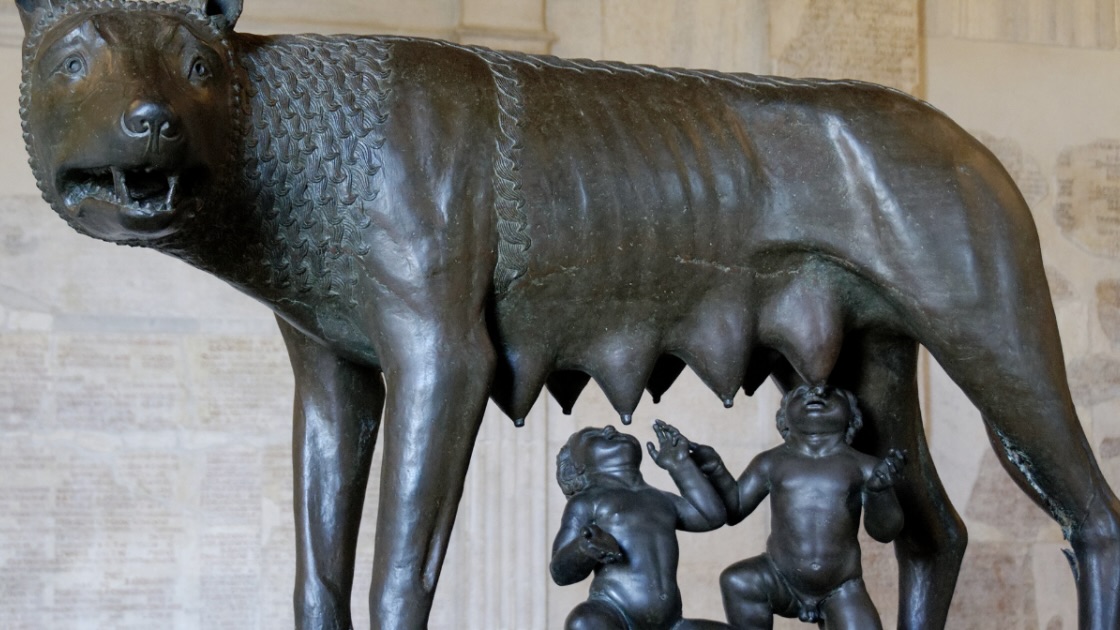
However, fate altered the course of the story. Rhea, having been violated, gave birth to twin boys. Amulius forced Rhea to abandon the infants by the Tiber River. Yet, the twins, Romulus and Remus, survived by suckling a she-wolf and were raised by a shepherd of the king. Upon reaching adulthood, the brothers overthrew Amulius and restored their grandfather to the throne. They then returned to the site by the Tiber and established a new settlement on the nearby Palatine Hill. However, conflict swiftly arose between the brothers, culminating in a fierce struggle where Remus was killed. Ultimately, Romulus assumed sole rule over the nascent city-state, naming it Rome, marking its formal founding.
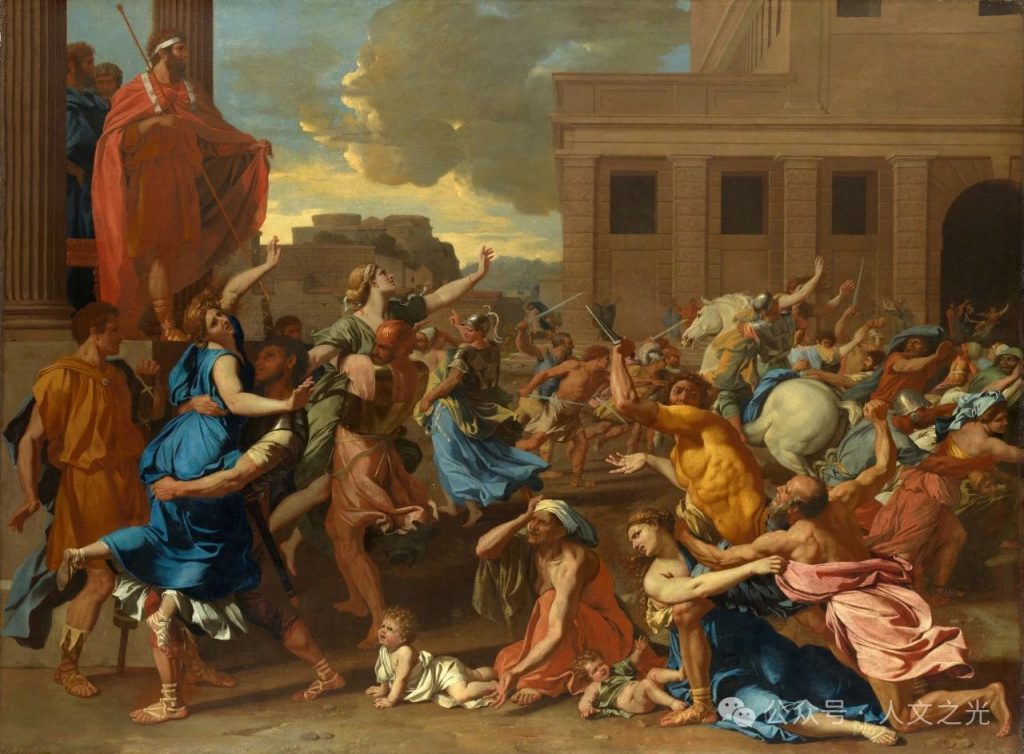
Although Rome was founded, many problems ensued, such as a lack of women for bearing children, jeopardizing the population. The Romans’ solution was remarkably direct and brutal. Romulus first extended invitations to slaves, fugitives, and others. Then, during a grand feast at a chosen moment, the Roman men seized all the young Sabine women (from a nearby city) they could capture. By the time the Sabines prepared their counterattack, the abducted women had already become the wives and mothers of Romans. They physically intervened between the two armies – on one side were their fathers and brothers, on the other their husbands and sons. The “Rape of the Sabine Women” laid the foundation for Rome’s future and began spreading its influence to the surrounding regions. This famous event was depicted by many painters, including Nicolas Poussin’s The Abduction of the Sabine Women.
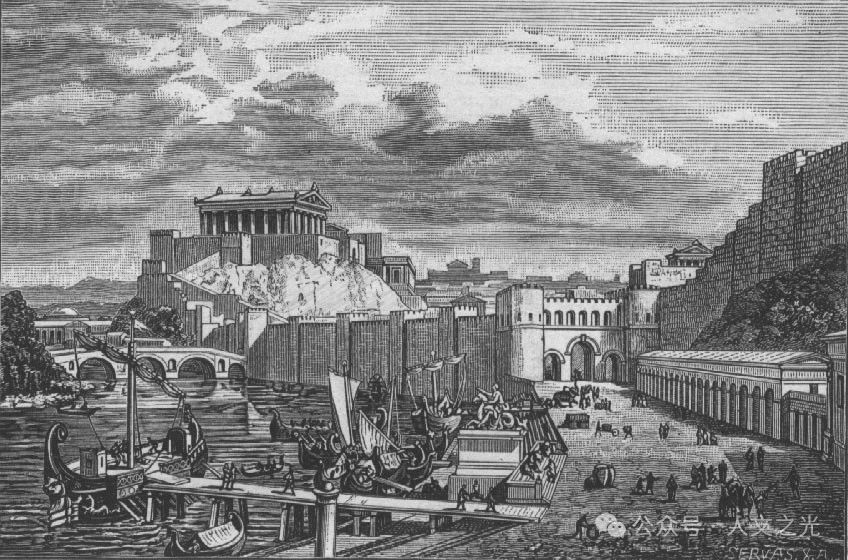
Rome grew increasingly powerful under the rule of seven successive kings. The first six kings were highly capable: they established the Roman calendar, defined most of the ancient rites of Roman religion, oversaw the destruction of Alba Longa (founded by their ancestors) with only a few temples surviving, revised the public religion, defeated the surrounding Latin peoples, and expanded the area of Rome, especially its center. The famous Temple of Jupiter on the Capitoline Hill, adjacent to the Roman Forum, was begun during this period. Civic projects continued, a census was even implemented, and the Servian Walls were built, defining Rome’s boundaries.
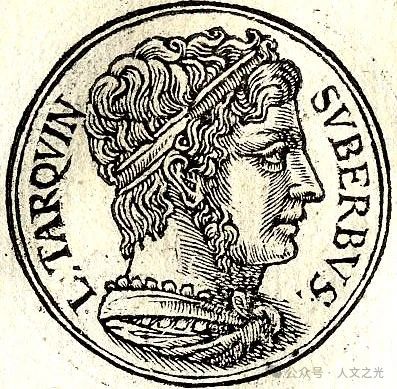
Yet, however prosperous a nation may be under monarchy, the emergence of a single tyrant can destroy all the achievements of previous generations. Lucius Tarquinius Superbus (Tarquin the Proud), son-in-law of Servius Tullius, became the terminator of this prosperity. Tarquin overthrew Servius and seized the throne. He was a tyrant who ruled through a reign of terror. Furthermore, Tarquin disregarded the authority of the Senate, the king’s advisory council. However, it was precisely his crimes that sounded the death knell for the monarchy and simultaneously raised the curtain on the birth of the Republic.
(This article has been edited by the UHHC Operations Office. Images sourced from the internet will be removed immediately upon request if copyright is infringed.)