Author: Simon Zhang, The Timeless Threads History Club from Beijing 21st Century School
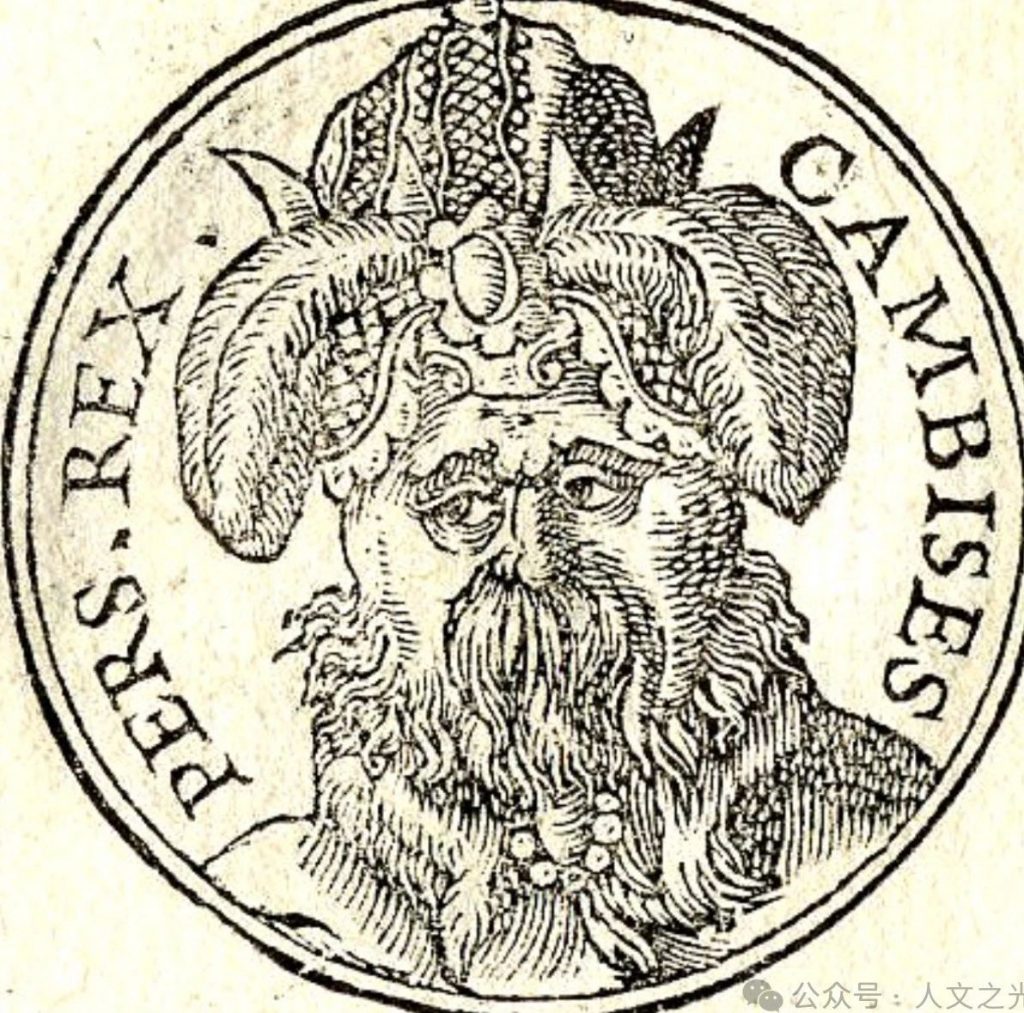
This story begins with the First Persian Empire (Achaemenid Empire). After the death of Cyrus the Great (𐎤𐎢𐎽𐎢𐏁, Kūruš, founder of the First Persian Empire), his son Cambyses II (𐎣𐎲𐎢𐎪𐎡𐎹, Kambūjiya) inherited this unprecedented, vast realm. However, he was exceptionally cruel and bloodthirsty. While campaigning in Egypt, Cambyses received news of rebellion back home but died mysteriously en route. What exactly was this rebellion?
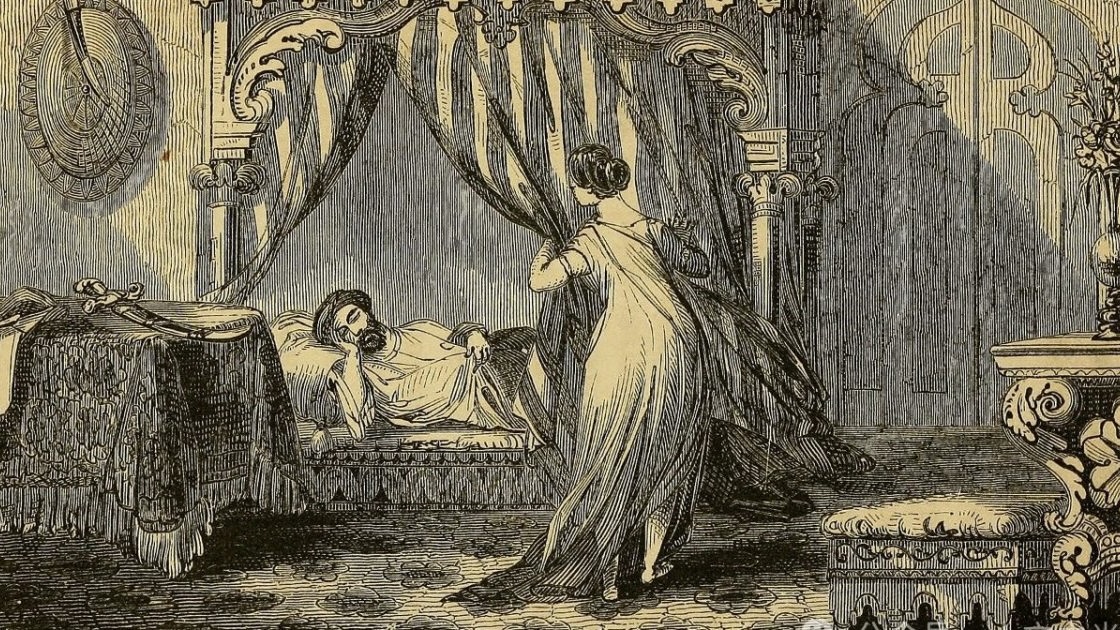
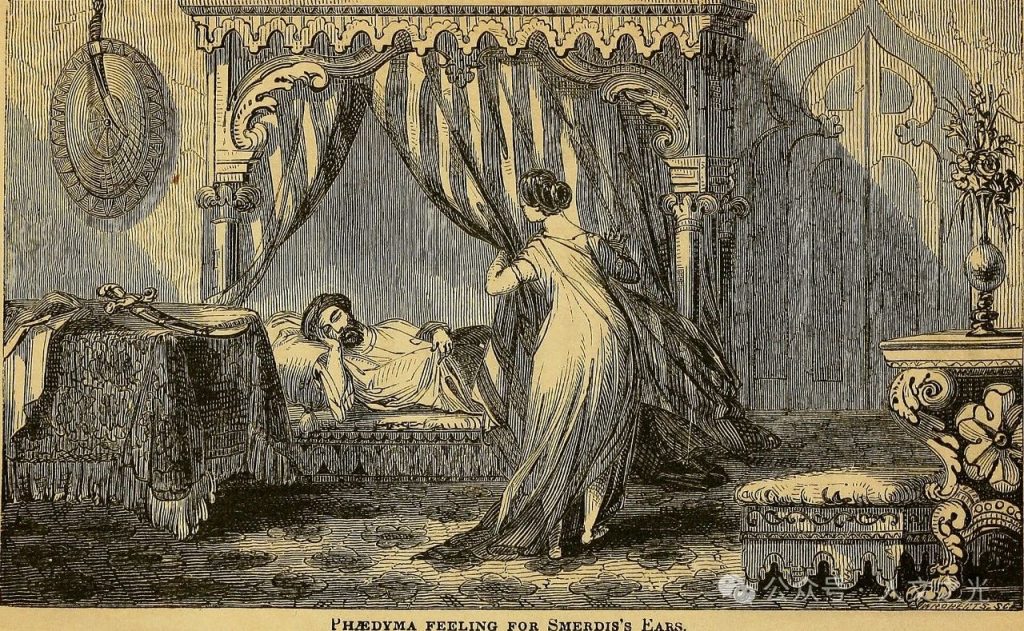
Before his Egyptian campaign, Cambyses secretly murdered his brother Bardiya over fears of a succession challenge. Few knew of this assassination, except two of Cambyses’ palace herdsmen. Seizing the opportunity during his absence, these herdsmen impersonated the slain prince and usurped the throne. Later, a nobleman named Otanes grew suspicious. He instructed his daughter Phaedyme (also Cambyses’ wife) to verify the imposter’s identity by checking if he had ears—one herdsman’s ears had been severed as punishment for past crimes. She confirmed he was earless. Otanes then rallied six allies and a revered elder statesman to overthrow the imposter.
A kingdom cannot be without a ruler. After the coup, the seven conspirators debated who should be king. Otanes, who exposed the fraud, withdrew:
“I wish neither to rule anyone nor to be ruled by anyone. May my family remain free for all time.”
Reading this, one might recall historical power-transfer rituals like “releasing military authority over wine” (杯酒释兵权), though parallels are limited. To preserve rational freedom eternally—a dream many cherish—this bold yet meticulous noble achieved it. According to Herodotus (Father of History), Otanes’ descendants flourished and retained their freedom until Persia’s fall.
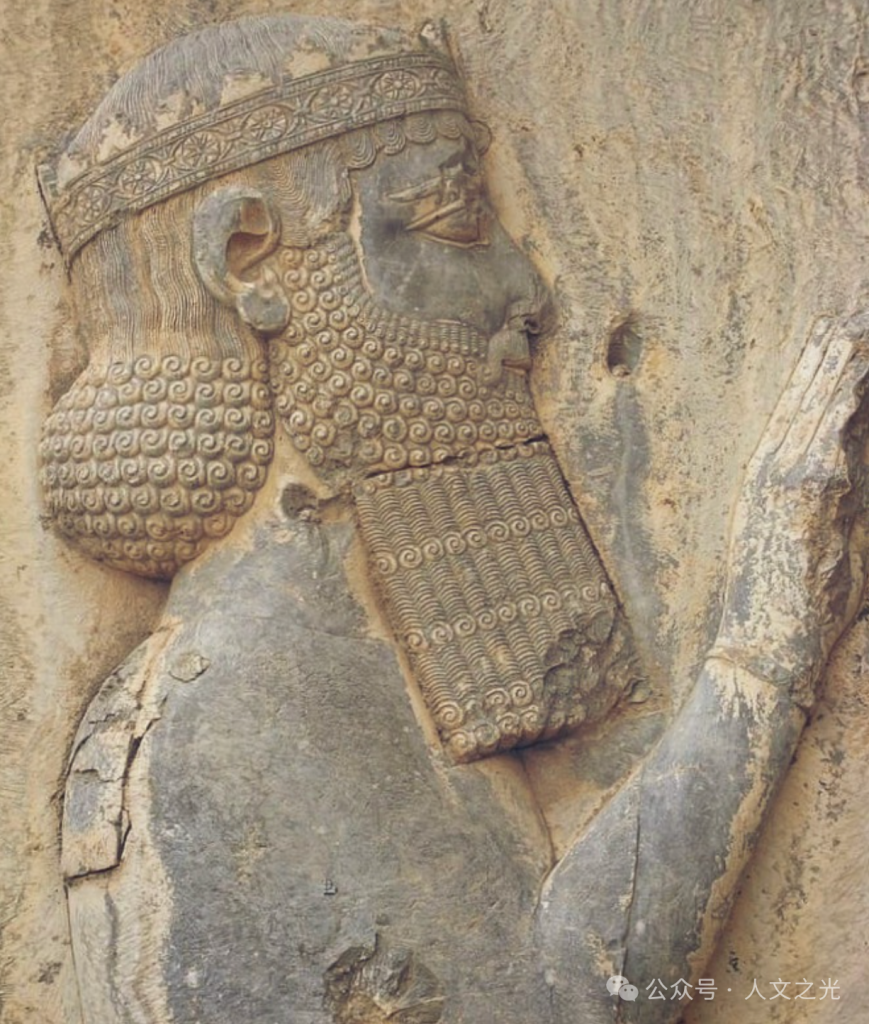
How then to choose the king? The remaining six agreed:
“At dawn, whoever’s horse neighs first shall rule.”
Darius, a young noble and Cambyses’ lance-bearer, won—but through trickery. His clever groom smeared mare’s secretions on his hand, letting Darius’ stallion catch the scent at the critical moment. Herodotus thus dramatically credited the rise of an Oriental despot to “the hand of a clever groom.”
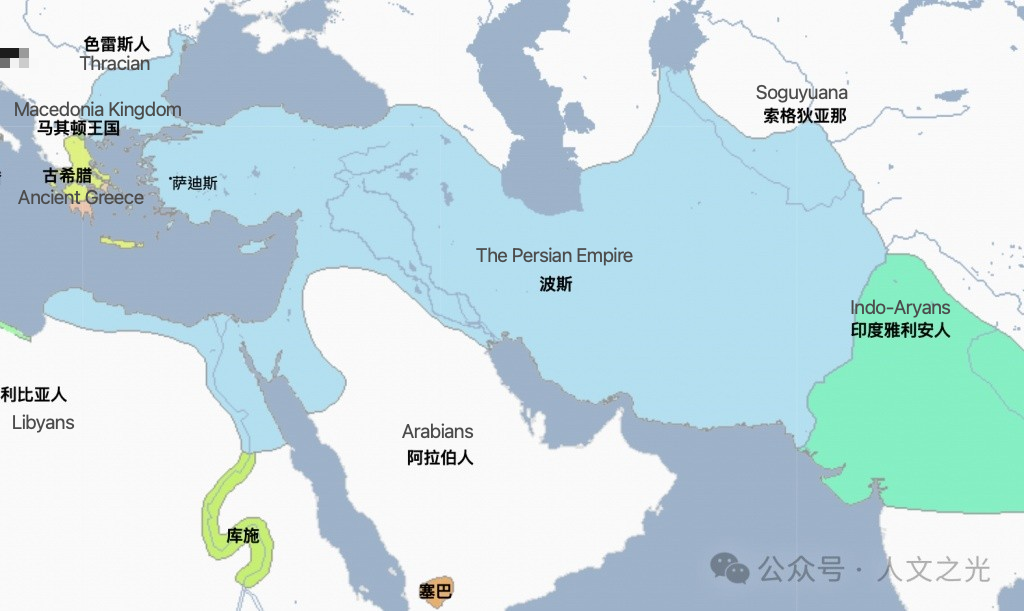
Upon seizing power, Darius’ priority was stabilizing the empire and quelling revolts. After three years of campaigns, he forged a tolerant world empire stretching from Thrace and Egypt to the Hindu Kush—history’s first intercontinental realm. Inheriting Cyrus’ legacy, Darius embraced conquered peoples with remarkable openness, never resorting to annihilation. His policies extended to the Jews: around 520 BCE, Prince Zerubbabel (זְרֻבָּבֶל, Zərubbāvel), grandson of Judah’s last king, and the priest Joshua—son of the final Temple priest—departed Babylon to restore Jerusalem.
(This article was edited by Peter Tian of the UHHC Operations Office. Images sourced from the internet will be removed immediately upon request if copyright is infringed.)